A home that flows naturally from the inside to the outside has become a preferred way of living for many households. It supports comfort, sunlight, fresh air, and an inviting atmosphere that works well for daily life and gatherings. Whether building a new home or improving your current one, creating a smooth indoor-outdoor connection can add value and quality to your lifestyle. With guidance from a trusted Home Builder Madison Wisconsin, careful design paired with smart material selections can transform regular spaces into functional indoor-outdoor extensions.
Why Indoor-Outdoor Living Matters Today
People spend a significant amount of time indoors. When designed correctly, an indoor-outdoor setup offers access to natural surroundings without compromising comfort. It boosts wellness, encourages time outside, and provides more useable living space. It helps families enjoy mornings on the patio, relaxed evenings near a fire pit, or weekend barbeques without leaving the comfort of home.
This concept is no longer limited to homes in warmer climates. With the right solutions, even regions with seasonal temperature shifts—like Wisconsin—can enjoy it year-round.
Start With a Unified Design Vision
A seamless indoor-outdoor space begins during the planning stage. If you are building new or remodeling, clarity in design decisions helps avoid mismatches and costly changes later. Working with an experienced team like Beckman Builders LLC ensures that planning, layout, and execution remain aligned with your goals.
Key factors include:
- Indoor–outdoor connection: Seamless transitions help indoor spaces flow naturally into outdoor areas.
- Visual continuity: Consistent colors, materials, and textures create a unified indoor–outdoor look.
- Natural light: Well-placed windows allow ample sunlight to brighten and open up interiors.
- Seasonal usability: Thoughtful design keeps spaces comfortable and usable throughout the year.
A shared design language across both spaces ensures a cohesive look rather than two separate zones.
Create Fluid Transitions With Open Layouts
A flowing layout sets the foundation for indoor-outdoor living. Open spaces that minimize barriers between the kitchen, dining, and living rooms help direct movement toward the outdoor area. Large openings, wide walkways, and thoughtful placement of doors and windows eliminate visual obstruction.
Sliding glass walls, folding doors, pocket doors, or large French doors can blur the boundary between interior and exterior. These options allow the backyard or patio to feel like an extension of the living room. When open, they merge spaces; when closed, they still allow visibility and natural light.
Focus on Natural Light and Ventilation
Natural light energizes a home and influences how the space feels. Sunlight promotes a feeling of openness and visually expands the room. Roof windows, skylights, large windows, and glass doors allow brighter spaces without artificial lighting during daytime hours.
Ventilation is equally important. Cross-ventilation, achieved by placing windows or vents on opposite sides of a room, allows air to move freely. This is especially helpful during warmer months. With Wisconsin’s climate, placing operable windows strategically can provide fresh air without losing heat in winter.
Use Consistent Flooring to Blend Spaces
Flooring is one of the strongest tools for achieving unity. When the same or similar flooring flows from indoors to outdoors, the eye sees both spaces as one. Some materials suitable for this approach include:
- Porcelain tile: Durable, low-maintenance tiles that work seamlessly in indoor and outdoor spaces.
- Natural stone: Timeless stone surfaces add texture, durability, and a natural indoor–outdoor flow.
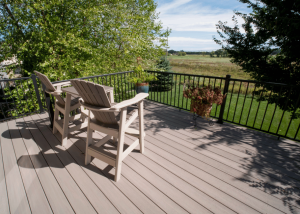
- Composite decking: Matching shades create a smooth transition between indoor floors and decks.
- Indoor–outdoor pairing: Vinyl or engineered wood indoors with weather-resistant outdoor pavers.
The chosen material should handle foot traffic and weather while maintaining comfort underfoot. Proper elevation alignment also matters—if the indoor and outdoor floors meet level, the transition becomes almost invisible.
Outdoor Living Zones That Extend Comfort
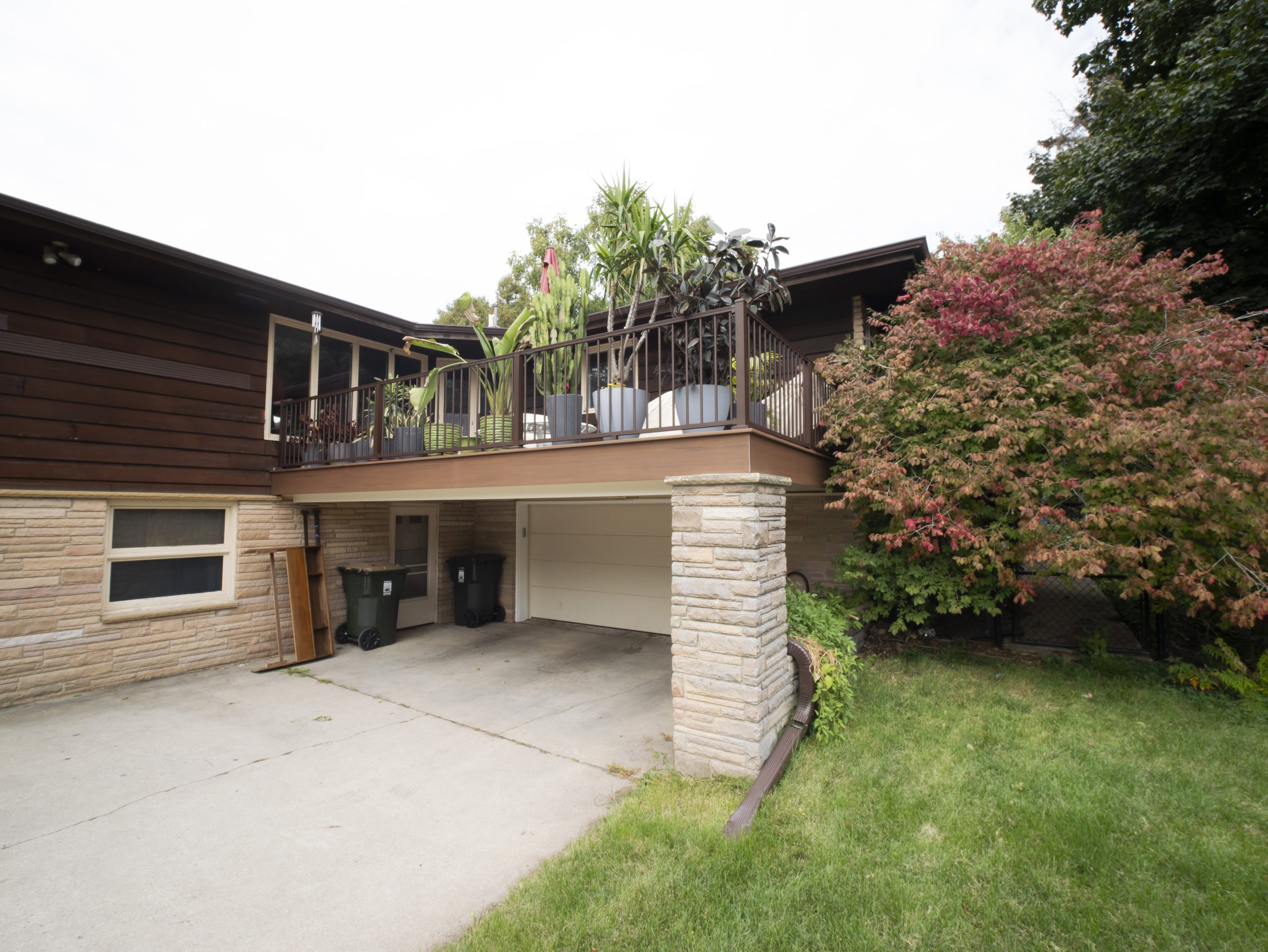
Outdoor areas can serve multiple purposes, just like interior rooms. Think of your exterior as an extra living room, dining room, or entertainment zone. Comfortable seating, outdoor tables, rugs, and even weather-proof décor can enhance usability. Just as a living room offers comfort inside, the outdoor space should encourage the same feeling.
Adding shade structures such as pergolas or covered patios creates usable space during sunny or rainy days. In Wisconsin, installing retractable screens, seasonal enclosures, or heated features can help maintain comfort in colder months.
Smart Furniture Selection
Furniture plays a vital role in how the space feels and functions. Choosing pieces that complement indoor interiors ensures harmony. Neutral colors, durable fabrics, and weather-resistant materials keep the space inviting and low-maintenance. Furniture should be easy to move and adapt depending on the number of guests or activities.
Outdoor furniture materials worth considering include:
- Teak, acacia, or treated wood for a warm appearance
- Aluminum or iron for long-lasting strength
- Wicker or rattan for a cozy ambience
- Quick-dry cushions and UV-resistant fabrics
Create a Visual Connection With Color and Décor
Consistent colors, patterns, and décor establish harmony between interior and exterior spaces. Matching throw pillows, lighting fixtures, planters, and accessories can tie the areas together. Plants placed indoor and right outside the connecting door reinforce the visual flow.
If the indoor palette is neutral, continue the same outdoors. If the interior has bold tones, introduce subtle accents outside to echo the theme.
Improve Ambience With Lighting
A well-lit indoor-outdoor design supports comfort during evenings and seasonal darkness. Indoor lighting should softly illuminate pathways leading to the outside. Outdoor lighting sets the mood, increases safety, and makes the area usable at night.
Consider layered lighting:
- Ambient lighting for general brightness
- Accent lighting to highlight landscape or architectural details
- Task lighting near outdoor cooking or dining areas
Solar lights and LED solutions help reduce energy usage.
Incorporate Nature Into the Design
Indoor plants, natural fibers, earthy tones, and materials inspired by nature help blend indoor living with outdoor surroundings. Green walls, indoor herb gardens, window planters, and natural textures create a calming environment.
Outside, native Wisconsin plants bring low-maintenance greenery to your yard. They support local pollinators and withstand seasonal changes better than non-native species. Containers, vertical gardens, and landscape design all contribute to a welcoming outdoor environment.
Outdoor Kitchens and Dining
Cooking outside has become more common thanks to improved appliances and layouts. An outdoor kitchen can range from a simple grill station to a full cooking area with counter space, storage, fridge, and sink. When placed near the indoor kitchen, it simplifies food preparation and serving.
A dining area outside encourages family meals with fresh air and scenic views. Investing in durable materials ensures the space lasts through Wisconsin’s changing seasons.
Maintain Seasonal Comfort
Wisconsin’s climate requires thoughtful design that accommodates both warm and cold months. Extending the usability of outdoor areas throughout the year can be achieved through heating features, insulation, and protective structures.
Options include:
- Fire pits or outdoor fireplaces
- Patio heaters
- Retractable awnings or pergolas
- Outdoor rugs and weather-proof cushions
- Three-season rooms or screened-in porches
These additions create comfort during chilly evenings and allow you to enjoy the outdoors longer than just in summer.
Landscaping That Complements the Design
Landscaping shapes the outdoor atmosphere and balances privacy with openness. Thoughtfully planned yards enhance the view from inside and make the outside area inviting.
Key aspects include:
- Pathways that guide movement
- Plants arranged to form natural borders or privacy screens
- Lighting that showcases greenery at night
- Water features for calming tones
A cohesive landscape design supports a peaceful environment and visually extends the interior space.
Technology for Modern Indoor-Outdoor Spaces
Smart home features can make indoor-outdoor living more convenient. Outdoor speakers, lighting controls, security systems, and weather-resistant outlets enhance functionality. Automated blinds, smart thermostats, and remote-controlled features help adapt the home to changing weather and daylight.
Even subtle tech upgrades can keep the space practical without disrupting the natural feel.
Plan With Local Expertise
Every home, neighborhood, and climate has unique needs. Wisconsin homes, for example, must consider snow, rain, temperature shifts, and insulation. Working with a reliable Home Builder Madison Wisconsin ensures your plan accounts for local building codes, weather conditions, and long-term durability. Local expertise helps avoid issues such as water pooling, material damage, or under-insulated areas.
A team experienced in indoor-outdoor layouts understands how to balance style with function, especially when connecting interior comfort with outdoor usability.
Budgeting and Long-Term Planning
Creating an indoor-outdoor living space doesn’t require completing everything at once. Many homeowners choose a phased approach. Start with the structural foundation, such as doors, flooring, and layout. Add furnishings, outdoor cooking, or landscaping over time. Proper planning prevents overspending and ensures each step supports the long-term goal.
A professional like Beckman Builders LLC can guide what upgrades make the most sense within your timeline and budget. With thoughtful planning, the project remains manageable and rewarding.
Renovation vs. New Construction: What’s Best?
Homeowners often wonder whether it is easier to build a new home with an indoor-outdoor layout or update an existing one. Both options work, but the decision depends on layout, structure, and available space. New construction provides total design control, while renovations adapt the current layout.
An expert Home Builder Madison Wisconsin can assess your home and advise on the best approach. Sometimes, a small change—like replacing a wall with sliding doors—can make a noticeable improvement.
Final Thoughts
An indoor-outdoor living setup creates comfort, openness, and a refreshing lifestyle that brings nature closer to everyday routines. With thoughtful planning, cohesive design, and practical choices, any home—new or existing—can achieve a natural flow between the interior and exterior. It encourages more time outdoors, supports family gatherings, and adds long-term value to the property.
If you are ready to start planning and need guidance from a trusted local team, the experienced professionals at Beckman Builders LLC can help turn your ideas into a space you’ll enjoy across seasons. Many homeowners begin with a simple conversation to explore options, so feel free to reach out when you’re ready to start transforming your space.