Key Takeaways
- Ventilation removes humidity; waterproofing contains water — you need both for a bathroom that ages well.
- Tile and grout are not waterproofing; the system behind the tile is what protects your home.
- In winter climates, steam plus cold exterior walls can create condensation you won’t see until damage shows up.
- Fan sizing and duct routing matter as much as the fan itself.
- A good contractor should be able to explain the waterproofing system and the ventilation plan clearly.
The Bathroom Moment People Ignore Until They Can’t
A bathroom can look clean and still be quietly wet. Foggy mirrors that linger, paint that peels near the ceiling, that “something smells off” odor that comes and goes — those are early signs moisture isn’t being managed.
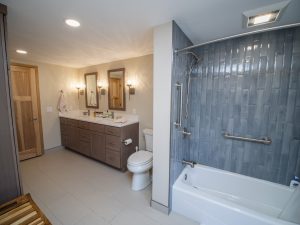
A great Madison bathroom remodel is basically a moisture-control system that happens to be beautiful.
Quick Answer
If you want a bathroom remodel that still looks good, smells clean, and performs years from now, prioritize two systems: ventilation (removing humid air) and waterproofing (containing water where it belongs). Ignore either one and you can end up with mold, odors, peeling paint, and hidden damage.
Why Bathrooms Get Moldy
Bathrooms generate moisture constantly — showers, baths, wet towels, steam. If that moisture can’t escape, it lingers and finds cold surfaces.
In Wisconsin winters, bathrooms on exterior walls can be extra sensitive: warm steam hits colder wall or ceiling surfaces, condensation forms, and moisture can build up behind finishes over time. That’s how you get mystery odors and mold issues that feel random — but aren’t.
Ventilation Choices That Actually Help
Exhaust Fan Performance Matters More Than Fan Aesthetics
A fan should be:
- Properly sized to the room
- Vented to the exterior
- Installed with duct routing that doesn’t strangle airflow
A sleek fan grille is nice. A fan that actually clears steam is better. This is one of those unglamorous decisions that saves you from future nonsense.
Fan Sizing Basics
Fan sizing should match the room, but sizing alone is not enough. Long or poorly routed duct runs can reduce performance. So can sloppy installation. A decent fan installed badly is still a bad system.
Timers and Humidity Sensors Are Underrated
People forget to run fans. Timers and humidity sensors solve that without relying on perfect behavior.
Waterproofing: Your Remodel Either Has It or It Doesn’t
Tile and grout are not waterproofing. They are the finish surface.
Waterproofing is what happens behind the scenes:
- Shower and tub surround assemblies
- Shower pan systems and slope
- Seams, corners, and penetrations (plumbing points are common failure zones)
Waterproofing Choices
| Approach | What It Means | Where It Fits Best |
| Sheet membrane system | Continuous waterproof layer behind tile | Showers and wet zones |
| Liquid-applied membrane | Rolled or painted waterproof layer | Wet walls and transitions |
| Water-managed board systems | Boards designed to resist moisture plus paired waterproofing | Surrounds and remodels |
How To Plan Ventilation for a Bathroom Remodel
- Identify moisture sources (shower, tub, enclosed toilet area)
- Plan fan placement for real air movement
- Choose duct routing that vents outdoors
- Add a timer or humidity-sensing control
- Confirm sizing and performance based on room and duct run
How To Plan Waterproofing for a Bathroom Remodel
- Define wet zones (shower, tub walls, floor transitions)
- Choose a waterproofing system appropriate for the design
- Confirm slope and drainage approach for shower floors
- Plan penetrations (valves, shower heads, niches) carefully
- Verify sequencing: waterproofing is handled before finishes go in
What Affects Bathroom Remodel Cost
Bathroom remodel costs can vary widely based on scope. A tub-to-shower conversion is a very different project from a full gut remodel with layout changes, tile work, upgraded ventilation, and waterproofing.
The biggest cost drivers are usually plumbing changes, tile and fixture selections, waterproofing details, electrical updates, and whether hidden damage is uncovered once demolition begins.
That is why scope matters so much. A straightforward facelift and a full rework can both be called a bathroom remodel, but they are priced very differently because the work behind the walls is not the same. For current Madison-area figures by tier, see our bathroom remodel cost guide.
What To Ask Your Contractor
- What waterproofing system are you using, and where exactly will it be applied?
- How will shower floor slope and drainage be handled?
- What’s the ventilation plan and where does it vent to?
- How is the fan sized for the room and duct run?
- What’s the plan for preventing mold behind walls (materials plus assembly)?
- What’s inspected or verified before tile and finishes go in?
Next Step
If you are planning a bathroom remodel, Beckman Builders can help you think through scope, moisture control, ventilation, and the finish decisions that matter most.
We can walk through your current space, your goals, and the type of remodel that makes the most sense for your home.
FAQ
Is tile and grout enough to waterproof a shower?
No. Tile is a finish surface. Waterproofing is the system behind it.
What causes bathroom odors after a remodel?
Often trapped moisture, poor ventilation, or damp materials behind finishes.
Do I need a new exhaust fan when remodeling?
Not always, but it’s smart to evaluate fan performance, sizing, and venting while walls are open.
How much does a bathroom remodel cost in Madison?
Typical costs — varies on scope and selections. Cosmetic upgrades to a 5’x8′ bath or a powder bath run about $20,000–$50,000+. An as-is replacement of the same bath, keeping the fixtures where they are, typically lands at $40,000–$70,000+. A separate tub and shower runs $60,000–$100,000+, and adding a bathroom or moving the fixtures starts at $100,000. Full detail is in our bathroom remodel cost guide.
What’s the most important behind-the-walls upgrade?
Waterproofing and ventilation planning — because they protect everything else.